Winter in Batavia, NY, can feel long, cold, and quiet. For someone working through addiction or facing personal struggles, those short days and icy sidewalks often make a tough situation feel even harder. That’s why a residential program can offer something that’s hard to find on your own: structure, warmth, and a daily rhythm that helps you feel steady again. A residential program in Batavia, NY, creates a space where people can slow down, find support, and take small steps forward without the pressure of outside distractions. At UConnectCare’s Atwater Home Community Residence in Batavia, the residential program offers 21 beds for men ages 18 and older and is staffed 24 hours a day, with three balanced meals daily and in-house recovery-focused groups and individual therapy built into the week. Here’s what you can expect, from the first day to the last.
Getting Settled: What Happens First
When someone first arrives, the change can feel big. New faces, new routines, unfamiliar sounds. But the goal is to make that first step feel manageable. Right away, there’s a check-in process that includes going over basic info and meeting a few staff who help answer questions and explain what comes next.
The first day mostly focuses on settling in. That includes:
- Orientation about the schedule and group guidelines
- Learning where everything is, from bedrooms to dining areas
- Getting to know roommates or other residents who have already been there a while
It can be a relief to hear that personal comfort items are allowed—books, clothes, and photos of loved ones. Local winters mean snow boots and warm clothes matter too, so people are encouraged to bring season-appropriate gear. Adjusting takes time, but the beginning is less about jumping into treatment and more about helping people feel safe and secure.
Daily Life Inside the Program
Once someone is settled, the days begin to follow a steady pattern. Each day has its own rhythm, which can take some getting used to. But that rhythm brings comfort and predictability. At Atwater Home Community Residence, people live in a historic home with shared bedrooms and bathrooms, living rooms, a dining room, kitchen, and laundry room, which helps daily life feel more home-like while they focus on recovery.
A typical weekday includes:
- Morning routines like breakfast and a short meeting to start the day
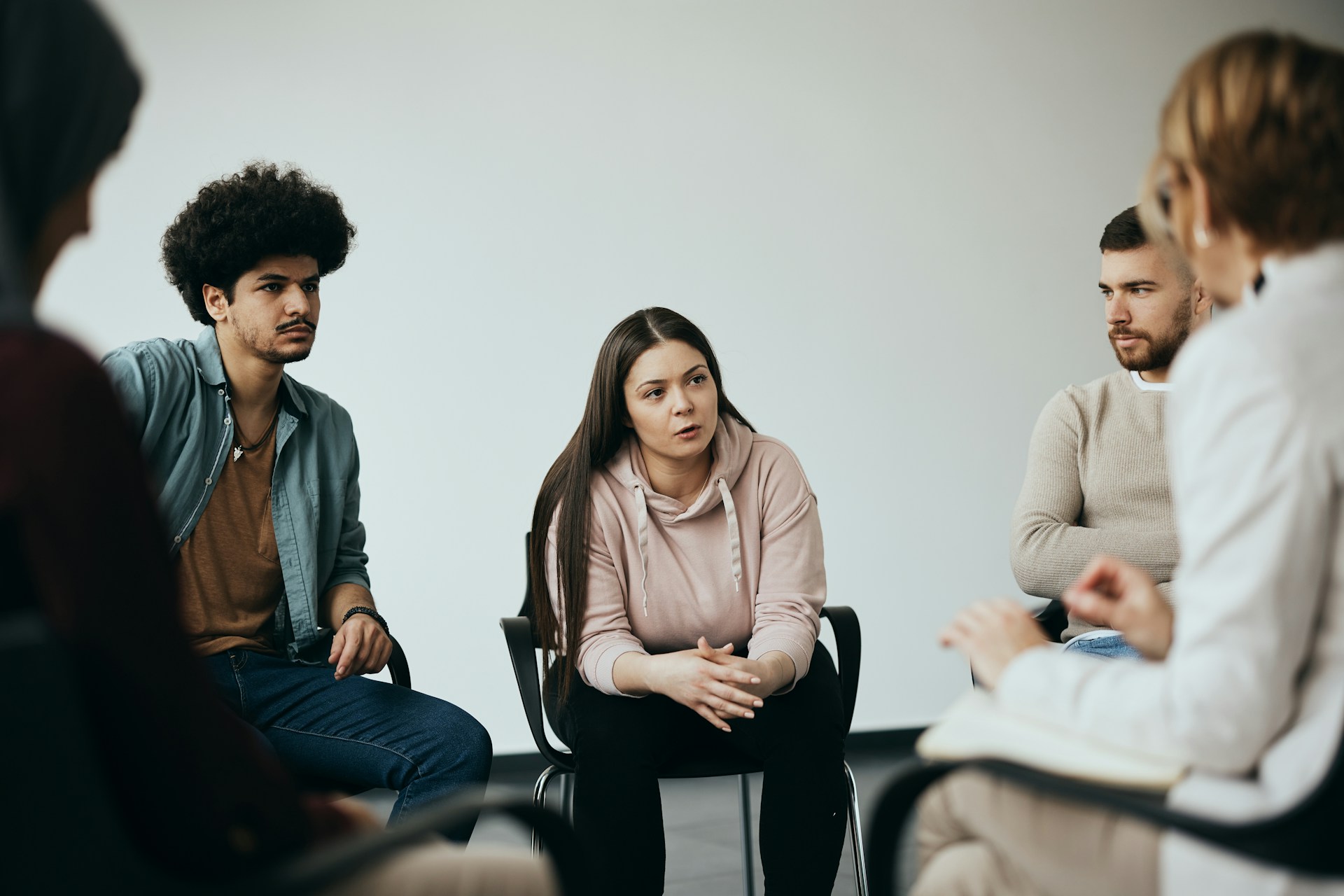
- Group sessions where people talk, listen, and share
- Individual counseling sessions throughout the week
Along with therapy, there’s time for movement, meals, chores, and rest. People often express how valuable it is to know what’s coming next, especially when their outside life may have felt uncertain or chaotic for a long time. Mealtimes offer another chance to slow down, reflect, or simply connect with someone over a plate of food. Phone calls are allowed, which keeps things manageable without cutting off outside connections. The only times they are not allowed on their phone is during treatment and bedtime.
Support That Meets You Where You’re At
Residential care is not a one-size-fits-all process. Everyone shows up with different needs, and we meet people wherever they happen to be. Whether someone is struggling with addiction, mental health challenges, or both together, the support is made to feel clear and reachable.
More than anything, progress usually comes in small steps:
- Setting simple personal goals that can be tracked each week
- Noticing emotional wins, like being able to stay present in a conversation
- Feeling welcome during hard moments without judgment
Staff are there to guide when needed, but so are the other residents. Many say that having others living through similar situations helps more than they expected. Some conversations happen in session, and others over laundry or after dinner. It all adds up and creates a network of people moving in the same direction, forward.
Sticking with It When the Weather Makes It Tough
January in Batavia means snow on the sidewalks, cloudy afternoons, and frigid mornings. These conditions make it harder to stay motivated, especially when someone is already sorting through difficult emotions. That’s part of why structure matters so much. Even when the outside world feels gray or still, the schedule inside offers a kind of movement.
To help pass the time and stay focused during winter, people often:
- Take part in group activities like art, journaling, or board games
- Develop steady habits like early bedtimes or stretching in the morning
- Stick to regular check-ins to talk through bigger feelings or setbacks
Sometimes the winter weather can feel isolating, but inside the program, you are not alone. There is a quiet encouragement that comes from knowing others are right there with you, facing the same season together.
Family and Loved Ones: Staying Connected
Even in a place that offers full support, family remains important. Most people want to keep a connection to loved ones, especially if kids are involved. That’s why regular communication is built into the program, as long as it does not interfere with someone’s healing.
Family connections include:
- Scheduled visits once someone has adjusted and is ready
- Guidance for parents who want to reconnect with their children in healthy ways
Toward the end of the program, planning for what’s next becomes part of the process. That includes thinking about how to return home, what routines might continue, and how family can play a part without overwhelming anyone. These conversations often bring relief and hope after weeks of slow, steady progress.
A Place to Start Fresh, Even in Winter
A residential program in Batavia, NY, is more than a quiet building tucked away for the season. It is where serious changes begin, often during one of the hardest months of the year. Winter may bring cold mornings and frozen roads, but inside, people are learning new patterns that help them feel stronger and more balanced.
Over time, those new patterns start to build confidence. With regular meals, familiar faces, and space to talk or reflect, each person is given a chance to start fresh. It does not happen overnight. But each day builds on the last, and by the time someone leaves the program, they have already shown themselves they can keep going, even during the longest stretch of winter.
Are you or a loved one considering taking that first step? We are here to offer clarity and support. A structured and steady setting can make all the difference, especially during the tough winter months in Batavia, New York. Learn more about what care looks like inside a residential program in Batavia, NY and how we work to support steady growth every day. At UConnectCare, our goal is to provide a place that feels safe and stable. Reach out to us to start the conversation.